
Space for Diversity
Conference Konferencja 27-28.04
Krakow University of Economics
Space for Diversity
„It is never too late to give up our prejudices. No way of thinking or doing, however ancient, can be trusted without proof. What everybody echoes or in silence passes by as true today may turn out to be falsehood tomorrow, mere smoke of opinion, which some had trusted for a cloud that would sprinkle fertilizing rain on their fields.” – Henry David Thoreau, 19th-century American writer, poet, philosopher and supporter of civil liberties
„Space for Diversity” conference is like a tangram – a logical game consisting in arranging a coherent whole out of numerous elements. It is an attempt to put together seemingly different topics, in the hope that this puzzle will bring closer the functioning of the reality that makes up a diverse and multicultural society. We will discuss gender, age, ethnicity and culture, migration, disability, new technologies and the impact of language on social sensitivity. Explaining these phenomena is to be a signpost, pointing to the right direction of thinking about the complexity of the world and its volatility.
Krakow University of Economics
ul. Rakowicka 27, 31-510 Krakow
Room 12, Building G
Speakers
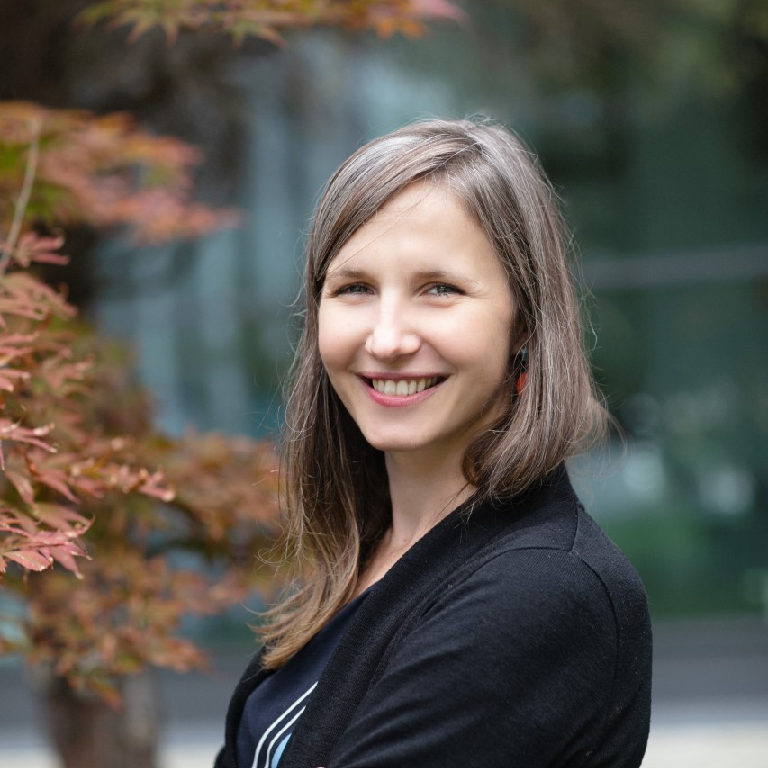
Karolina Czerska-Shaw
PhD in Sociology and Assistant Professor at the Institute of European Studies, Jagiellonian University in Krakow. PhD in Sociology and Assistant Professor at the Institute of European Studies, Jagiellonian University in Krakow. Her research interests include migration and integration policies and practices at EU and national levels, local migration governance, as well as issues of belonging in transnational social spaces and international student mobility. She is a researcher in several international projects, including a Horizon 2020 Research and Innovation Action project entitled: EU Differentiation, Dominance and Democracy, where she studies the development and contestation of EU migration and asylum policies, particularly from the point of view of civil society actors. She is also a work package leader in the PeaceRep project run by the London School of Economics, focusing on the networks and activities of civil society organisations involved in the mobilisation of humanitarian aid in Poland and reconstruction process in Ukraine. She collaborates with the Multiculturalism and Migration Observatory of KUE, and is a member of the Jagiellonian Centre for Migration Studies. She has advised local and regional authorities in Poland on integration policies and is currently involved in building an integration strategy for the Lesser Poland district and the city of Krakow. She is also a founding member of the Multicultural Centre in Krakow, a publicly-funded project which aims to develop and promote intercultural relations between the diverse inhabitants of the city.
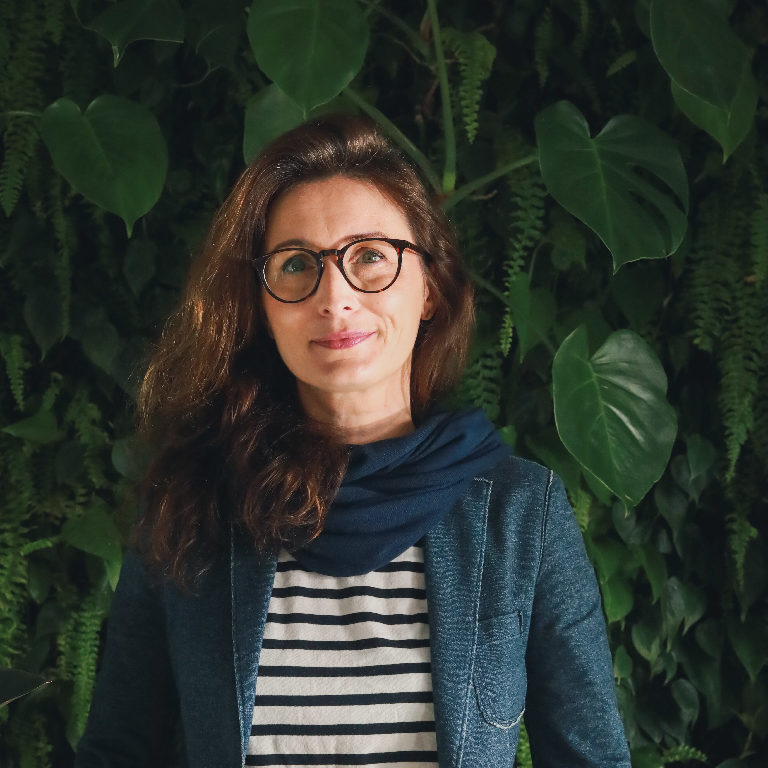
Dora Mołodyńska-Küntzel
Diversity, Equity & Inclusion trainer and consultant at Punt Kick | Shaping DEI Competence. President of Diversja Association and coordinator of the Living Library Poland network. Dora holds a degree in Cultural Studies and Italian Studies from the University of Wroclaw and has been a lecturer of Intercultural Communication at the same University since 2017.
Dora's experience in Diversity, Equity & Inclusion and intercultural education spans several years, during which she has conducted training and workshops for companies such as Google, Disney, MERCK and Santander Bank Polska, among others. As a DEI consultant, she currently supports organisations and institutions in developing DEI strategies and training programmes to foster greater inclusion and belonging.
Through the Living Library project, Dora creates safe and inclusive communication spaces, facilitating important and difficult conversations with people from underrepresented groups. She has organised over 50 Living Libraries and trained over 300 new organisers around the world, adapting the project to diverse cultural contexts in countries such as South Africa, Tunisia, and the USA. She has also introduced Living Libraries at universities and in business organisations, including Google, 3M, Mondelez and Nokia, among others.
In recognition of her work, Dora was named a winner of the 30 Creative Wroclaw award in 2021.
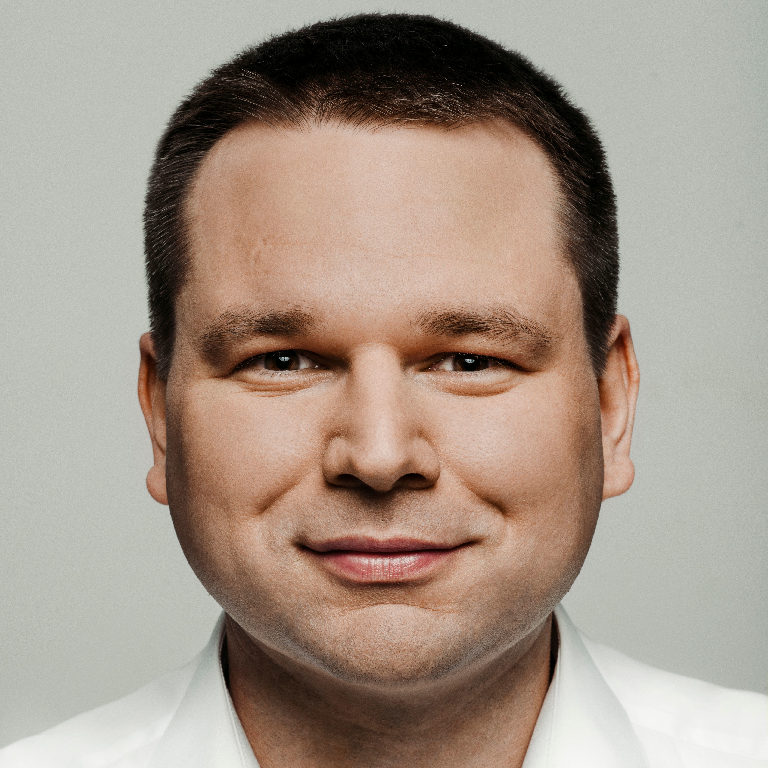
Piotr Stohnij
Expert in new marketing and generational diversity in business. In these areas, he conducts research, advises, trains and manages his clients’ companies. He has implemented many strategic projects for organisations from over a dozen industries, including those as demanding as software, food, agricultural, financial, health, publishing and construction industries. He also spent several thousand hours conducting workshops for top managers. In addition, he wrote "Koniec alfabetu”, the first Polish book devoted to generational diversity in business. He regularly appears at conferences and video meetings, and comments in industry magazines. He also writes about current business and social events on the website: www.pstohnij.pl.
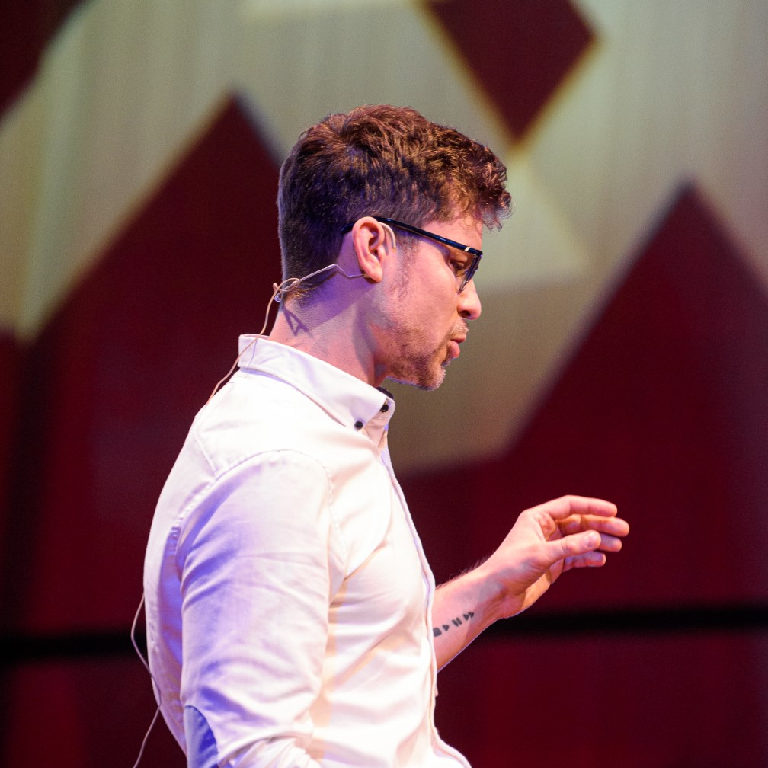
Maciej Makselon
Polish philologist, writing instructor and promoter of knowledge about the Polish language. Associated with the W.A.B. publishing house, where he is the initiating and managing editor. He also works as an academic teacher at the Faculty of Polish Studies of the Jagiellonian University. Active TEDx speaker – his last speech on YouTube has already gained over 320,000 views.
Dominika Kaczorowska-Spychalska
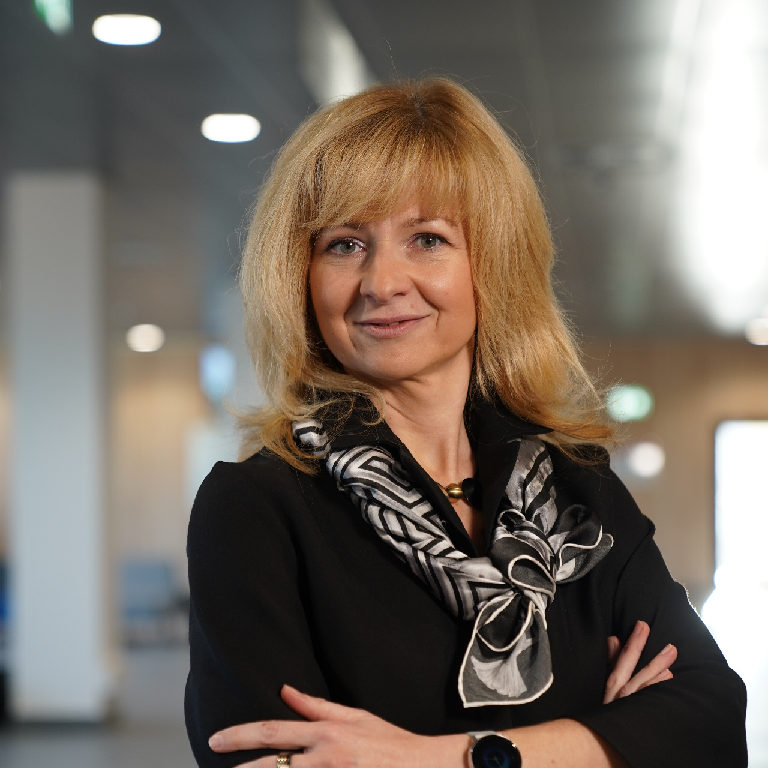
Director of the Centre for Intelligent Technologies at the Faculty of Management at the University of Łódź and Leader of the Research, Innovation and Implementation subgroup of the Working Team for Artificial Intelligence at Prime Minister's Office. Rational AI enthusiast, researcher of interactions between AI and humans. Author and co-author of numerous publications. She works closely with business, supporting and promoting the role of AI in the business and social space, for which she was awarded by the Minister of Education and Science.

Jakub Studziński
Deaf educator and accessibility expert. Specialist in cultural education at the Małopolska Institute of Culture in Krakow. Historian, museologist, translator and teacher of Polish sign language. Coordinator of the “Małopolska. Kultura Wrażliwa” programme and accessibility facilitator at the Małopolska Institute of Culture in Krakow.
Tomasz Wojakowski
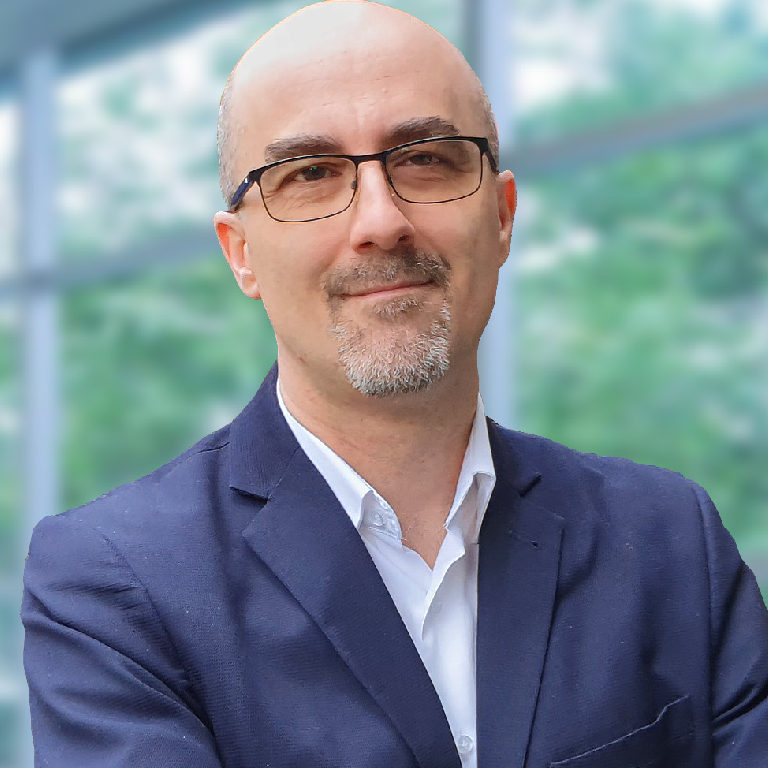
Representative of the President of the Management Board of the State Fund for Rehabilitation of Persons with Disabilities for Accessibility. Expert on digital accessibility. Lecturer at the Kazimierz Wielki University in Bydgoszcz in the field of digital accessibility and sociology of the image of people with disabilities. He conducts audits based on the WCAG 2.1 standard and provides consultations on accessibility for people with disabilities. Adviser in the field of digital accessibility for the Polish Ministry of Digitization. Socially involved as Deputy President of the Management Board of the Society for the Care of the Blind in Laski (school for blind children).
Andreas Volk
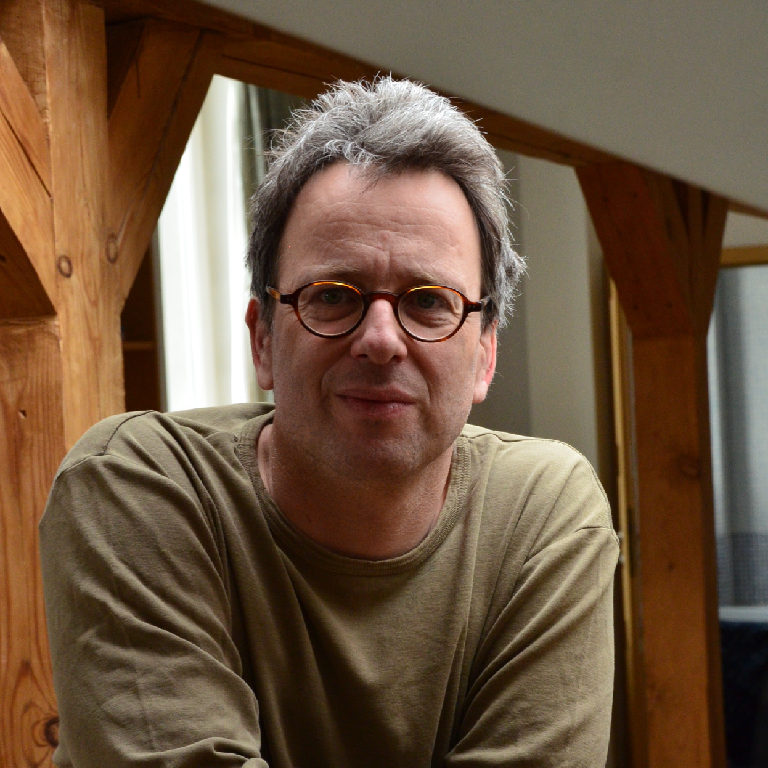
Translator of contemporary Polish literature into German. Cultural mediator in the Polish-German context. Born in 1971 in Germany, currently lives in Warsaw. In 2013, he was awarded the Zaiks Prize for Translators, and in 2022, the Karl Dedecius Prize.
He translated numerous plays by Krzysztof Warlikowski, Krystian Lupa, Tadeusz Słobodzianek, Małgorzata Sikorska-Miszczuk, Paweł Demirski, Magda Fertacz, Artur Pałyga, Zyta Rudzka, Marta Górnicka, Ishbel Szatrawska.
Ziad Abou Saleh
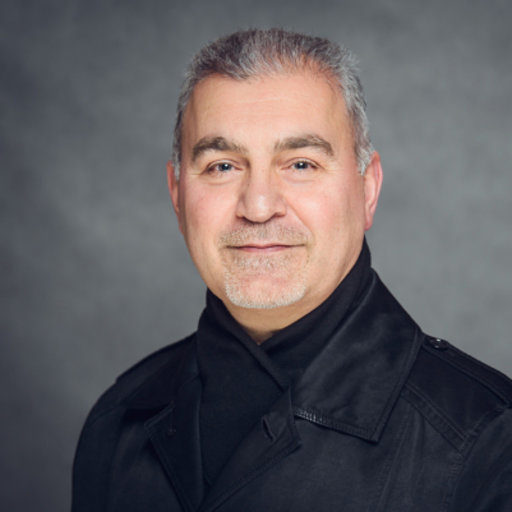
Syrian academic lecturer and sociologist living in Wrocław since 1983. Expert in negotiations and intercultural communication between Poland and the Arab world. In 1989 he graduated from IT studies, and in 1997 received his PhD in sociology. He cooperates with the SWPS University and the WSB University in Wrocław, conducts classes in the field of intercultural sociology: "Arab culture for Poles" and "Cultural determinants of international negotiations, Polish-Arab aspect", "Psychological aspects of terrorism" and "The art of negotiation in the Polish-Arab aspect". He also conducts business training. Author of the book entitled “W poszukiwaniu piątego kąta, czyli obcokrajowcy o Polakach” and numerous publications and scientific articles on processes and problems related to the Arab community in Poland and Europe. By choice, he considers himself a member of both national communities: Polish and Syrian.
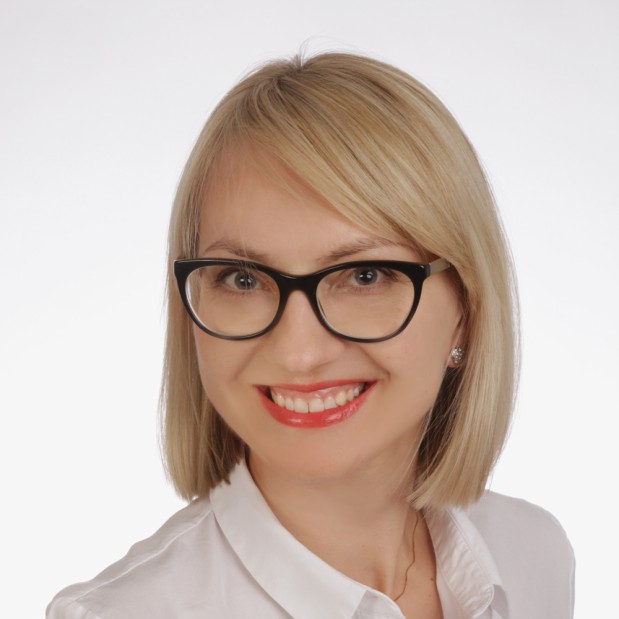
Anna Wietrzyk
News station journalist. Certified trainer of psychosocial skills. She has been associated with the media industry for nearly 25 years (radio, television, Internet), with a break to work in PR. In her professional work, she held the function of press spokeswoman and specialist in communication and image. For years, she has been conducting classes with students on public speaking and image building, with particular emphasis on the voice. She is convinced that not only what we say, but also how we say matters.
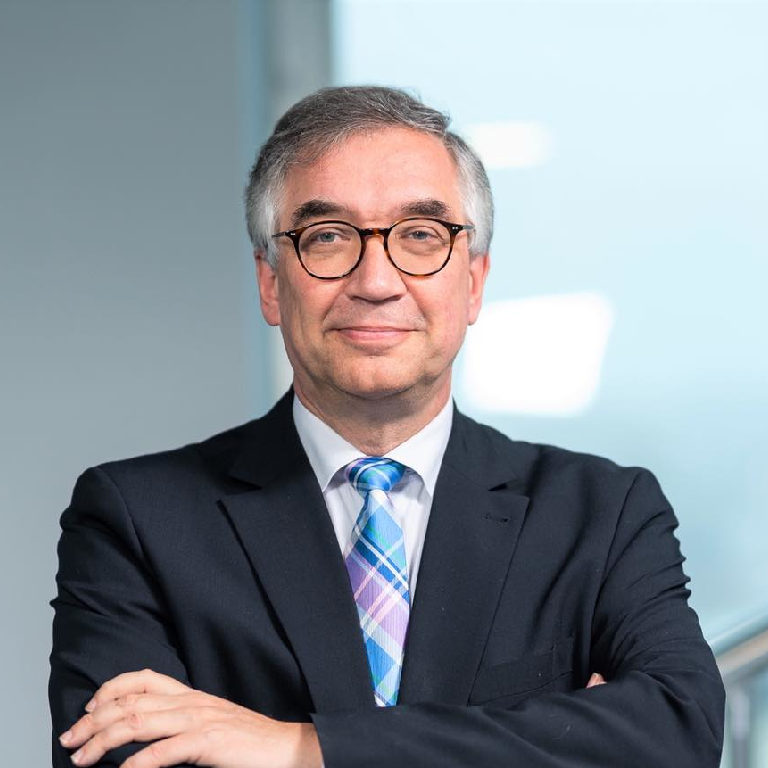
Roman Waschuk
Retired Canadian diplomat. Business Ombudsman in Ukraine. He was born in Toronto (Ontario, Canada), where he graduated from the University of Toronto Schools and completed St. Nicholas Courses on Ukrainian Studies. He studied at the University of Toronto earning a Bachelor's and Master's Degree in Central and Eastern European History.
Roman Waschuk joined the Foreign Service in 1987. In Ottawa, he worked in the Department of Foreign Affairs and International Trade in the Eastern Europe, European Union, and Policy Planning Divisions, as well as on the Global Partnership, and the Stabilization and Reconstruction Task Force.
Abroad, he worked in the Political/Economic sections of Embassies in Moscow (1988-91), Kyiv (1994-98), and Berlin (2002-2007). Appointed Ambassador of Canada to Serbia in 2011, with concurrent accreditation to Northern Macedonia and Montenegro. Transferred to Kyiv in October 2014, where he served as Ambassador of Canada until October 2019. Co-organised the Conference on Reforms in Ukraine (Toronto, 2019).
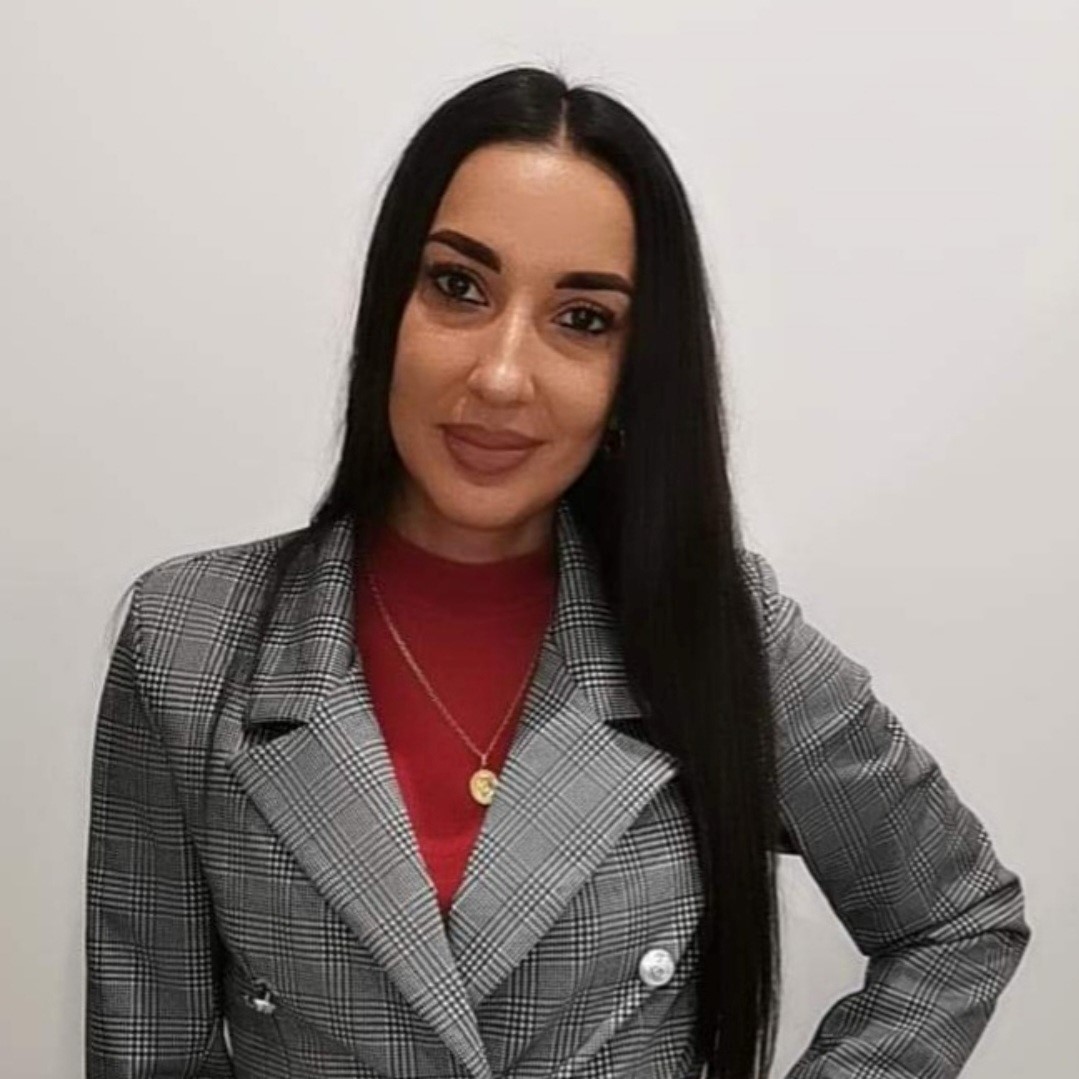
Edyta Jaśkowiak
Krakow Ambassador of Multiculturalism. Activist for the Roma community in Lesser Poland. Secretary of the Roma Educational Association Harangos in Krakow. Activist and educator. She works as a Roma education assistant. Also runs an integration centre for children and teenagers Amaro Kher in Nowa Huta. She co-organised many projects related to the education of Roma children, such as: Nońcia, Roma Pstryk, Roma History Workshops. Scholarship holder of the American government's International Leadership Visitor Programme. Involved in various social and artistic projects that counteract exclusion, racial discrimination and xenophobia.
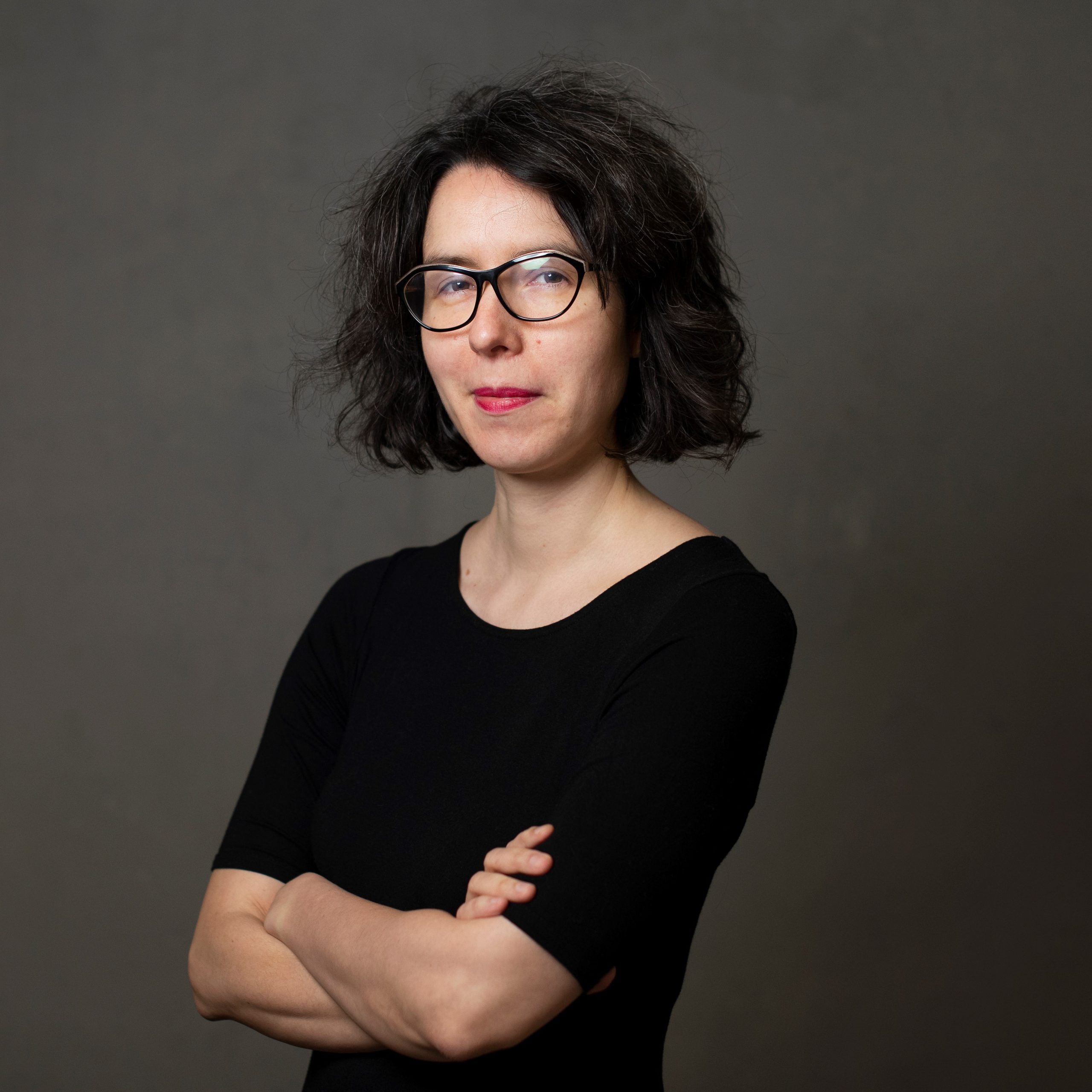
Barbara Pasterak
Coordinator of educational activities and accessibility. Theater educator. Curator of artistic programmes, educator, trainer, accessibility leader. A graduate of Polish philology at the Jagiellonian University, specialising in cultural studies. Implementer of activities bringing contemporary art and theater closer to people with various needs. She also prepares audio descriptions of works of art and theater performances. Co-author of the publication "Sztuka różnorodności w edukacji kulturowej". Participant of the Young Managers of Culture programme of the Association of Creative Initiatives „ę”. Co-founder of the Dobrze Association. Senior education specialist at the Cultural Centre of C. K. Norwid. She cooperates with the Malopolska Institute of Culture, with the Theater Institute of Z. Raszewski, and Faculty of Industrial Forms of the Academy of Fine Arts.
Programme
Day 1
10:45 – 11:00
Official opening.
dr Łukasz Danel
Official opening and welcome speech by dr Łukasz Danel – Rector’s representative for Equal Treatment at the Krakow University of Economics.
11:00 – 11:30
Keynote lecture.
Roman Waschuk
Keynote lecture by Roman Waschuk – Retired Canadian diplomat and Business Ombudsman in Ukraine.
11:45 – 12:45
From Migratory Semi-Periphery to Centre. How Polish cities are transforming in the face of migration and refugee flows.
dr Karolina Czerska-Shaw
Poland has been traditionally identified as a country of emigration – the famous Stefan Batory ship that departed from Gdynia to North America and beyond is a symbol of a deeply rooted collective identity. Yet since 2016, Poland has seen a steady net migration inflow, and has become the EU’s top issuer of short-term work permits for non-EU nationals, surpassing migratory powerhouses such as Germany and France. Since February 2022 and the full-scale Russian invasion in Ukraine, 1.5 million refugees from Ukraine have applied for Temporary Protection in Poland, the highest number in Europe. Whereas in 2020, 2.2% of the population was foreign born, some statistics point to cities which are now composed of 20-25% foreign nationals, many of them refugees. This marks a tectonic shift in the scale and pace of social transformation, particularly for large and medium sized Polish cities.
How have Polish cities coped with these rapid changes? What policies and politics have taken hold, and how are public and political discourses framing these migration and refugee flows? Importantly, how do migrants and refugees themselves perceive their role in their new surroundings, and what opportunities and challenges do they see for themselves and their communities? A discussion about these questions and the perspectives of key social actors in the space of migration and integration governance – from local authorities, to civil society organisations, labour markets, and migrant communities – may shed light on the changes taking shape within Polish society, as well as the approaches to how integration is understood, governed and contested.
Coffee break
13:30 – 14:30
Creating an Inclusive Campus: Strategies and Best Practices for Diversity, Equity, and Inclusion at Universities in the USA and Poland.
Dora Mołodyńska-Küntzel
During her presentation, Dora Mołodyńska-Küntzel will discuss the implementation of a Diversity, Equity, and Inclusion (DEI) strategy at universities, drawing upon her experience job shadowing the Vice President for Diversity, Equity and Inclusion at the University of Tulsa in the USA. She will provide a case study of this comprehensive programme and compare it to similar elements of DEI strategies at Polish universities, sharing her insights on the processes involved in conducting assessments, engaging stakeholders, and prioritising actions. Dora will also showcase various programmes and initiatives designed to promote DEI, such as training programmes, policy changes, and community outreach efforts.
Additionally, Dora Mołodyńska-Küntzel will discuss DEI best practices at universities, highlighting the Living Library project which she has led for the past 16 years. The Living Library project is an innovative approach to facilitating brave conversations with underrepresented groups, and during her presentation, Dora will share how it has been successfully implemented on various campuses. She will also discuss how the project can serve as a model for other institutions to promote Diversity, Equity, and Inclusion.
14:45 – 15:45
Generational diversity in practice: how do we change, when do we understand each other, why do we cooperate?
Piotr Stohnij
In most institutions operating in Poland – both public and private – representatives of four generations need to cooperate with each other, and soon they will also be joined by another fifth generation. Each of them sees reality, and thus the way individual institutions function, differently and pays attention to various issues. They also have other motivations. This often leads to misunderstandings and conflicts. How to make generational diversity a source of strength, not problems? How to build an understanding between people that separates age and experience? What is the factor supporting their involvement in the rapidly changing reality? These and other questions Piotr Stohnij will answer during his speech. What does the arrival of the “end of the alphabet” mean? How to deal with the generational Tower of Babel phenomenon? Which characteristics of each generation will strengthen the organisation and eliminate the weaknesses of others? How to build a common denominator for people from different generations? Who is winning today and who will be winning tomorrow in the fight to get the best people to join his organisation?
Day 2
09:00 – 09:10
Opening greetings.
dr hab. Piotr Buła, prof. UEK
Opening of the second day of the conference by dr hab. Piotr Buła, prof. UEK – Vice-Rector for Cooperation.
09:15 – 10:15
There is room for everyone in language. On generic forms, empathy, respect and ortho-terrorism.
Maciej Makselon
During his speech, Maciej Makselon will address several issues related to the area of diversity in language. He will discuss the subject of feminatives in Polish, including their history. He will also focus on the controversies that this area of language raises today. Additionally, Maciej will approach the issues of genre-neutral forms, present some Polish proposals and English patterns of these forms, as well as the difficulties associated with the inflectional nature of the Polish language. Maciej will also talk about linguistic empathy and explain why, in his opinion, there is a room for everyone in language. He will discuss exclusionary forms and the impact of language on our reality and work environment. In the end the topic of ortho-terrorism and linguistic purism will appear.
10:30 – 11:30
Accessibility – is it worth it?
Anna Wietrzyk
Barbara Pasterak
Jakub Studziński
Tomasz Wojakowski
The panel will tell about the subject of accessibility, methods of its implementation in cultural institutions, but will also promote awareness of issues related to the people with disabilities.
Coffee break
12:00 – 13:00
Man and generative artificial intelligence – in the world of diversity.
dr Dominika Kaczorowska-Spychalska
Generative artificial intelligence (AI) has become a tool comparable to the most ground-breaking inventions in the history of humanity. The multitude of tools available in this area (e.g. ChatGPT, Midjourney, Dall-E2) and the growing spectrum of their functionalities are increasingly changing the space of possible interactions between humans and AI. They also raise many questions, including from the point of view of the future diversity of the world. Will generative AI be able to support it? How much will AI need diversity? Is diversity a space for cooperation or competition between humans and artificial intelligence? As part of her speech, Dominika Kaczorowska-Spychalska, PhD will try to indicate possible answers to these questions.
13:15 – 14:15
Beyond stereotypes: Polish-Romani-German-Syrian. Let’s talk about multidimensional diversity.
Dora Mołodyńska-Küntzel
Edyta Jaśkowiak
Andreas Volk
dr Ziad Abou Saleh
The panel will be an intercultural meeting with social activists and mediators from various ethnic and national backgrounds. It will be an attempt to confront prejudices, as well as a presentation of how multidimensional diversity can stimulate new cultural, educational and social initiatives.
Registration
Partners and Organisers


